Kora
Kora Lighting
Web
2025


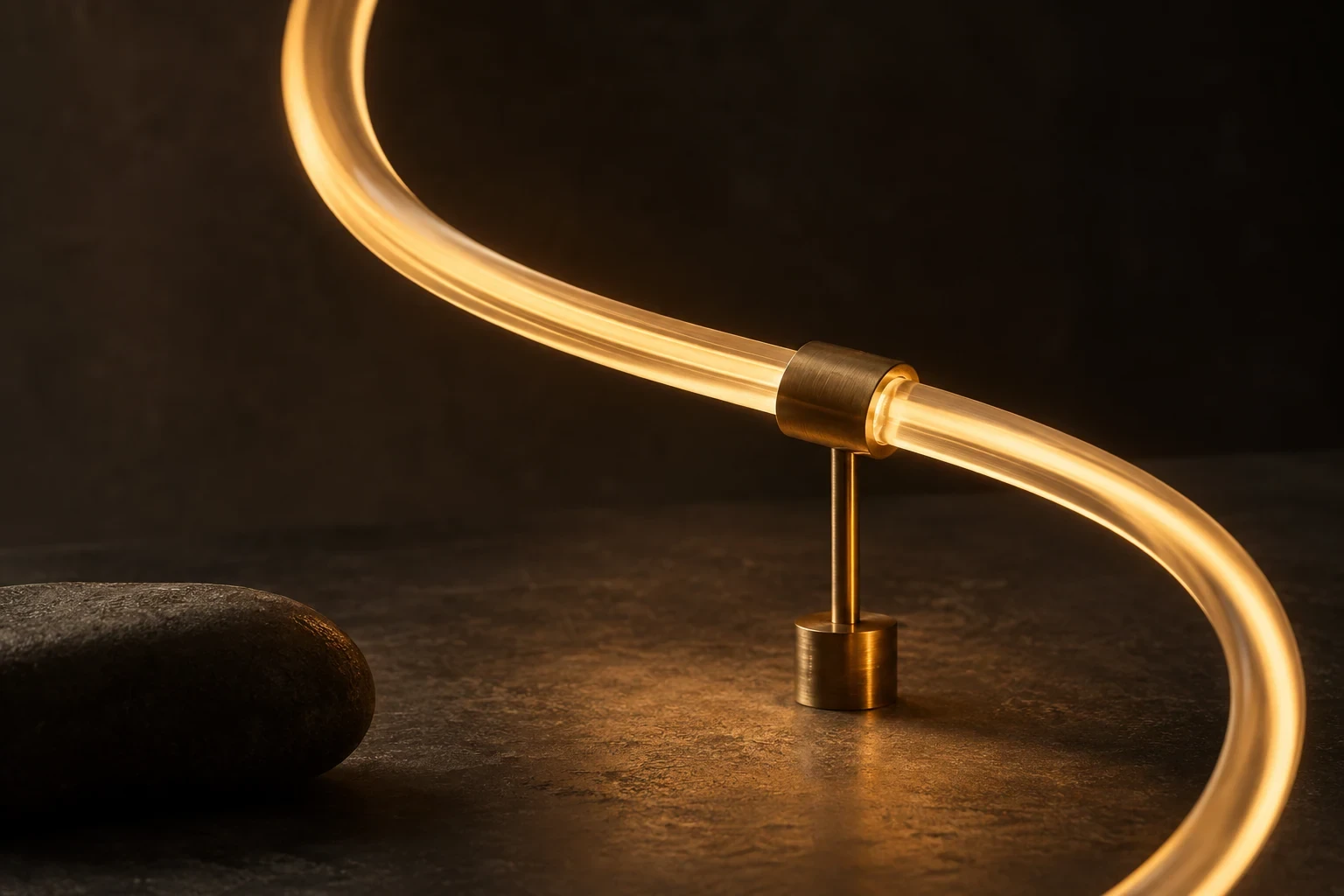
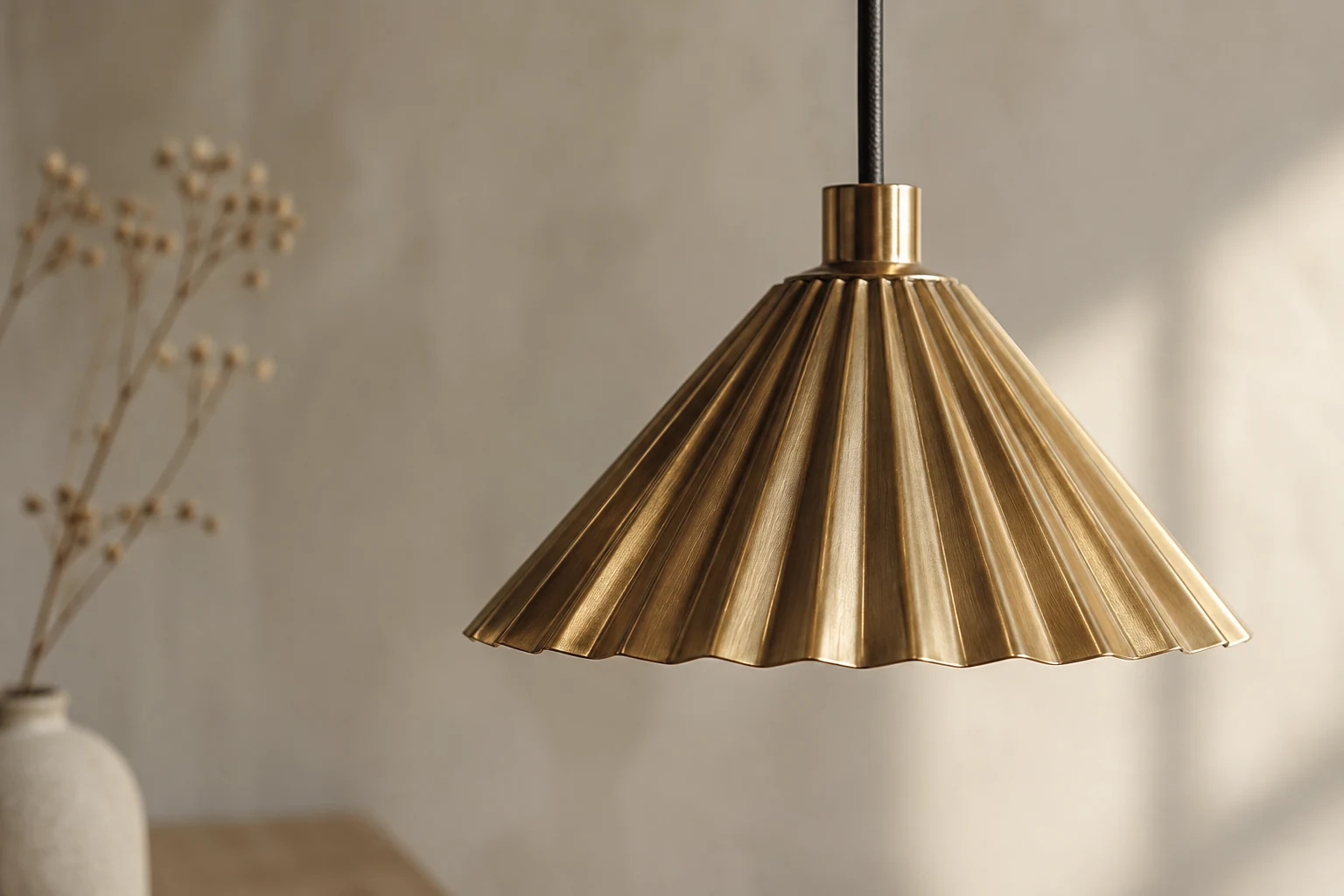
A digital catalogue that gives sculptural lighting the darkness it needs to glow.
Project Info
Client
Kora Lighting
Year
2025
Discipline
Web
Kora makes sculptural lighting in small editions, some of fewer than twenty units. The old site sold those pieces the way a hardware supplier sells fittings: a white grid, a thumbnail, a price. We designed a digital catalogue that gives every piece enough space to show its form, material and quality of light.
The brief
The previous site flattened a tactile collection into a standard product grid. Kora needed a more editorial rhythm without compromising clear specifications, trade enquiries or mobile performance.
That last condition mattered more than it sounds. Two thirds of the audience are specifiers and architects, most of them arriving on a phone and looking for one number: lumen output, colour temperature, or whether the fitting dims on DALI. The catalogue had to be patient for the browser and blunt for the buyer.
Light before layout
We started with the photography rather than the grid, because nothing else could be decided without it. Kora’s work reads badly on white: the brass goes grey and the glow disappears. So the catalogue sits on a warm near black ground, and every piece was shot in a darkened studio in two states, lit and unlit. Scrolling a card cross fades between them, turning a specification page into a small demonstration.
The first prototype was a WebGL viewer with a live dimmer. It was the most impressive thing in the studio and the least useful thing in the project: slow on site, wrong on colour, and it invited people to spin a fitting instead of reading it. We cut it in week three and spent the budget on a second shoot day. Weight shaped everything after that. A collection page had to stay under 900KB on a phone, so images are served in three sizes behind a blurred placeholder and motion is limited to opacity and a four pixel lift.
What shipped
A responsive catalogue covering six collections and forty two pieces, collection stories set between the products rather than filed in a journal, and a specification drawer on every piece carrying dimensions, lumen output, CRI, dimming compatibility and a downloadable IES file. Trade visitors get their own enquiry flow that pre-fills the fitting they were looking at, plus a saved list they can send to a client as one link.
Kora runs all of it without us. A new piece is published from a single CMS entry, and the layout, the spec drawer and the related collection assemble from it in about twenty minutes.
What it changed
Six months after launch, trade enquiries are up 34% and time on a collection page has roughly doubled, which is the figure we care about most: people are reading the pieces instead of scanning them. First view loads in 1.3 seconds on a mid-range phone. When an object is mostly about light, the photograph is the product page and everything else is scaffolding.