Motion Is a Language
Craft
7 min read
~/blog/motion-is-a-language
Easing is tone of voice
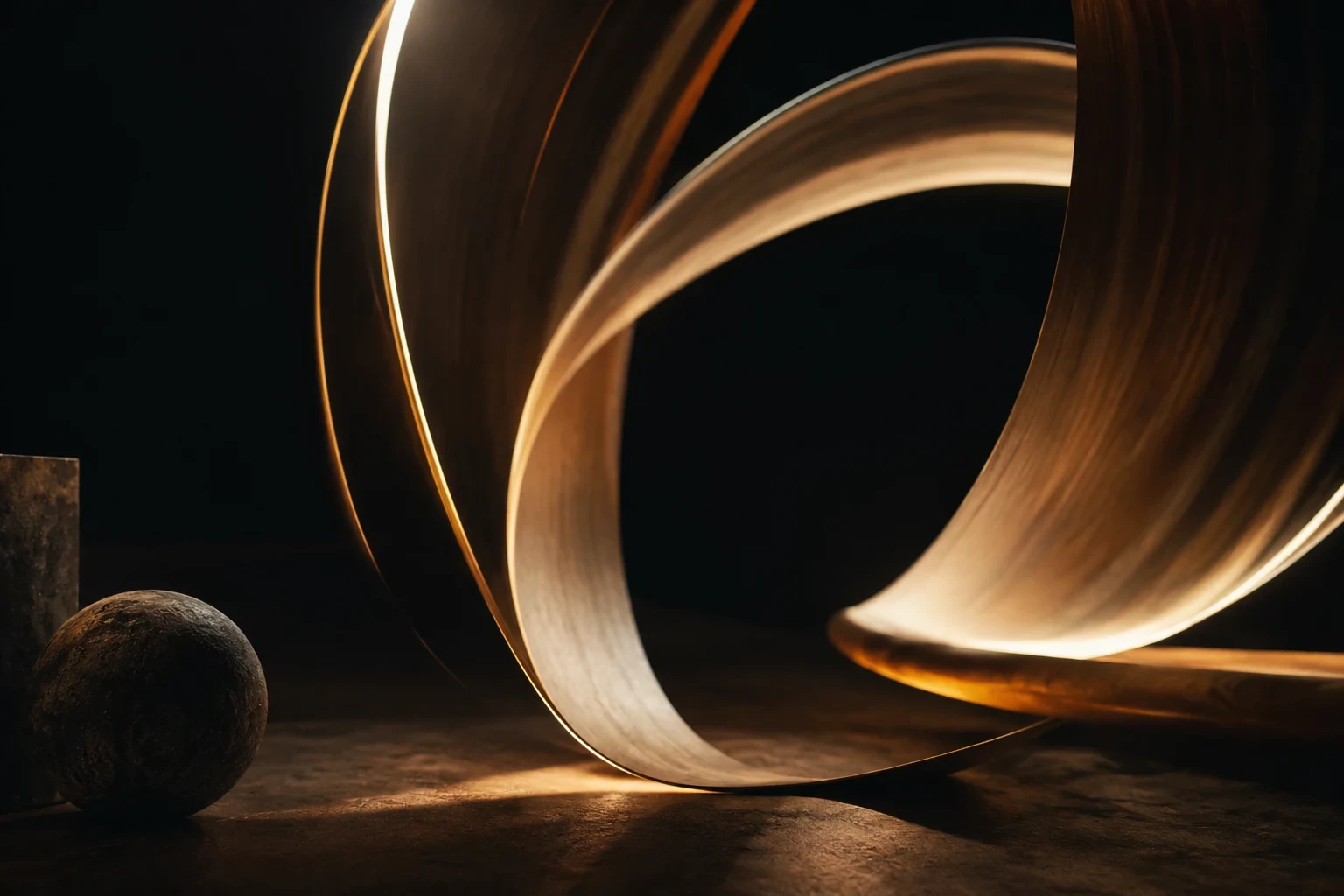
Two interfaces can share every pixel and still feel like different companies, because one snaps and the other settles. Easing curves carry tone the way typefaces do: a sharp cubic ease reads as confident, a long spring reads as playful, and no motion at all reads as institutional. None of these are wrong. They are all saying something.
We keep a small motion vocabulary per project and write it down before the first prototype, so nobody invents a new bounce at midnight. As in a type system, the constraint is what produces the style. Interfaces get incoherent not from too much motion but from too many dialects of it.
A vocabulary of four moves
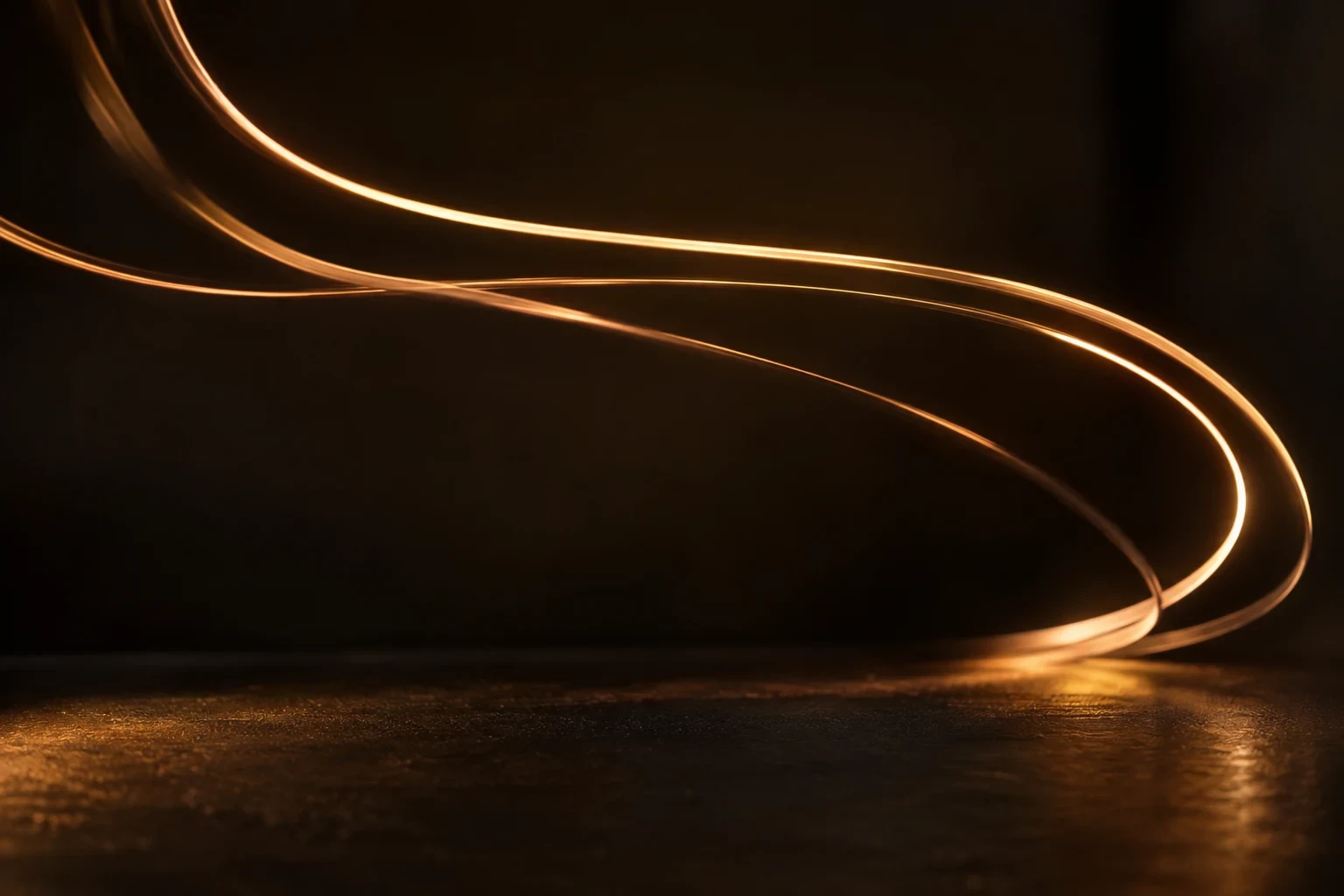
Every project ships with a motion sheet the size of an index card: one duration scale, two easing curves, one rule for arrival and one for departure. Enter from below with a short spring, leave with a fast fade, and never let two systems of physics share a screen. Four moves sound restrictive until you notice most interfaces cannot even keep one consistent.
Arrival order is grammar. Parent before child, container before content, and a stagger measured in frames, not seconds. Get the order wrong and a page feels like furniture being delivered; get it right and the interface appears to have been waiting for you.
Hover is punctuation, not a paragraph. A four-pixel lift, a fill change, an arrow that leans: enough to say clickable, quiet enough to say calm. The moment a hover needs its own timeline, it has been promoted beyond its rank.
Tuning by ear
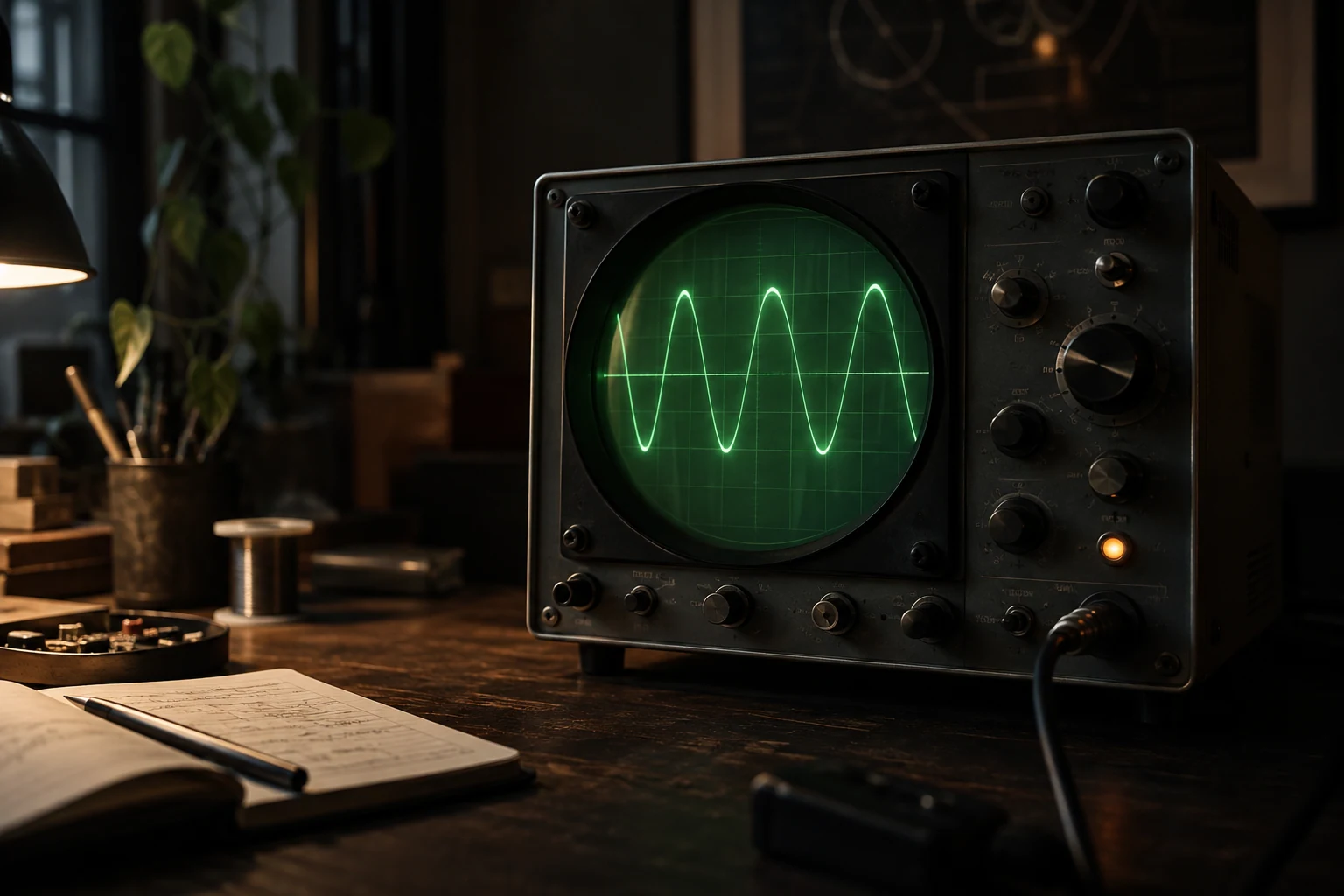
Numbers get you to the neighbourhood; taste finds the address. We tune springs the way a drummer tunes a snare: nudge stiffness, tap the prototype, listen for the thud. The final values never match the starting math, and they never should.
We review motion twice: once at quarter speed to see the mechanics, once at full speed to judge the feeling, and only the second pass decides anything. Slow playback flatters a curve that is genuinely too slow, which is how a page ends up feeling polite and sluggish at the same time.
Motion cannot rescue a weak layout, but it can betray a strong one. We treat it like seasoning, measured in pinches and tasted constantly.
A test worth stealing
Turn the interface volume to zero by disabling every transition, then use the product for a day. Whatever you genuinely miss is the motion that was carrying meaning. Keep that. The rest was weather.